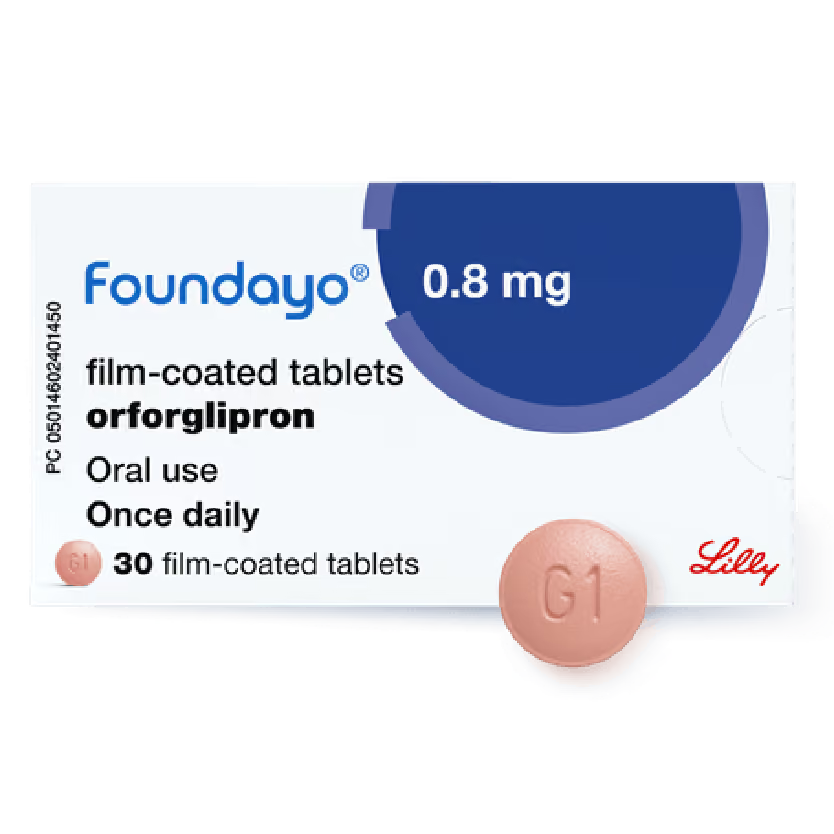
A once-daily tablet for weight management in adults
No injections, and no food or drink timing rules
Works by mimicking GLP-1, a natural appetite hormone
Used alongside a reduced-calorie diet and increased physical activity
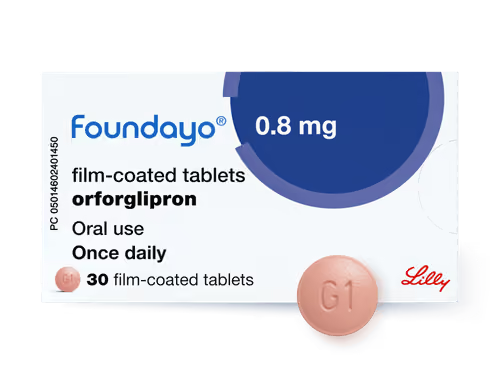
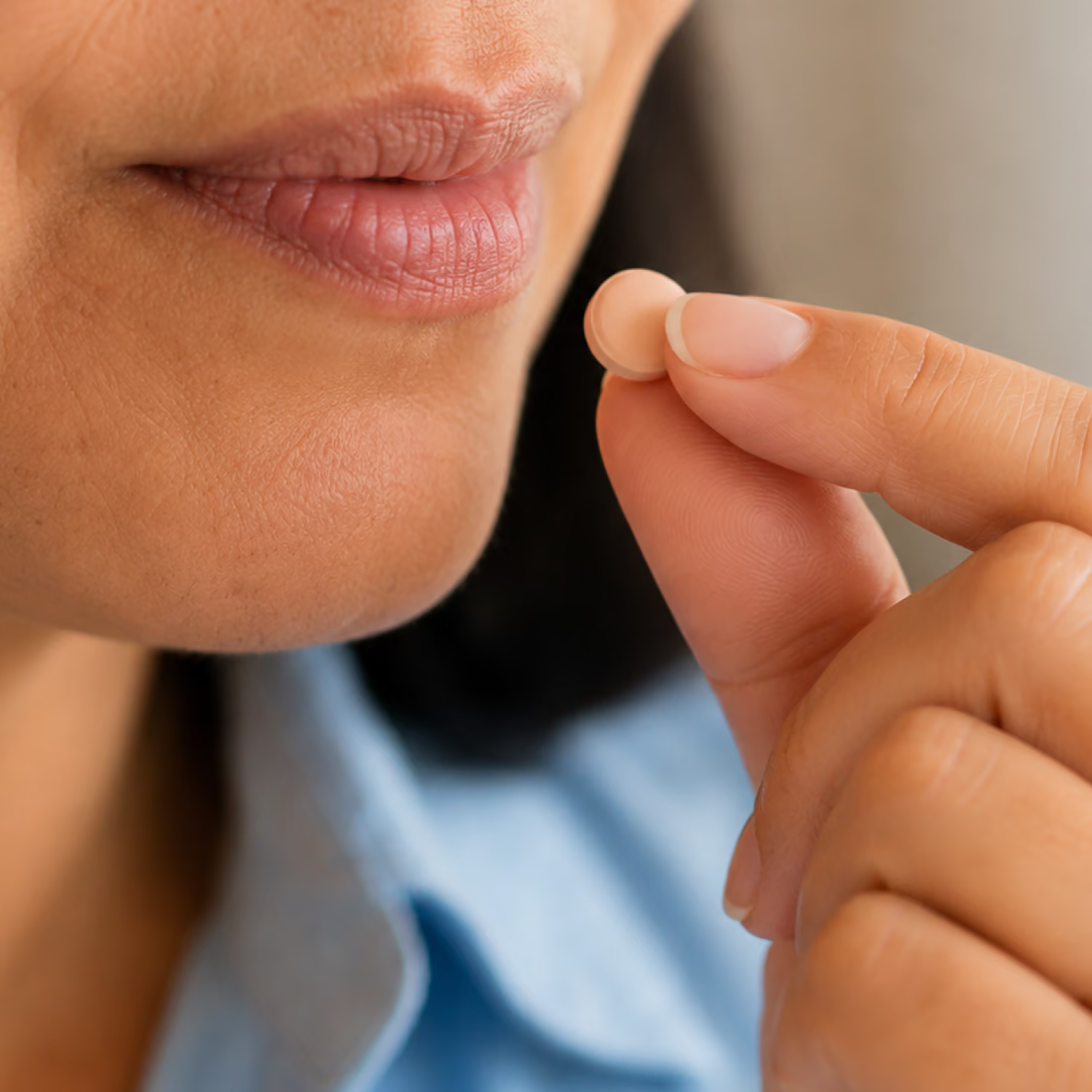
Most GLP-1 medicines like semaglutide and tirzepatide are peptides, short protein chains that are broken down by stomach acid, which is why they're usually given by injection. Orforglipron is a small-molecule, non-peptide drug, which survives digestion intact and can be taken as a tablet. It can be taken at any time of day with or without food.
Orforglipron is a once-daily tablet for weight management in adults with obesity, or overweight with a weight related medical condition. Foundayo is the brand name; orforglipron is the active ingredient.
It belongs to a class of medicines called GLP-1 receptor agonists, similar to semaglutide (Wegovy) and tirzepatide (Mounjaro). These medicines work by mimicking a natural gut hormone, GLP-1, that helps regulate appetite, digestion and blood sugar.
Like all GLP-1 treatments, it is designed to be used alongside a reduced-calorie diet and increased physical activity, not instead of them.
Orforglipron is a prescription-only medicine. Where licensed, it is intended for adults with:
A prescriber will always assess whether treatment is appropriate for you individually. It is not suitable for everyone.
Orforglipron should not be taken if you:
It is also not recommended if you have a history of pancreatitis, gallbladder disease, or severe gastrointestinal problems including severe gastroparesis. If you take insulin or a sulfonylurea, the risk of low blood sugar is higher and your prescriber will factor this in.
Orforglipron activates GLP-1 receptors, mimicking the hormone your body naturally releases after eating which:
The effect is that eating less feels more manageable, because the underlying hunger signals are reduced rather than simply resisted.
Not yet. Orforglipron is not currently licensed for use in the UK.
It received FDA approval in the USA on 1 April 2026, and Eli Lilly has confirmed it has submitted the medicine for regulatory review in more than 40 countries, including the UK, where it is currently with the Medicines and Healthcare products Regulatory Agency (MHRA).
There's no confirmed UK launch date but based on typical MHRA review timelines, a realistic estimate is late 2026 for private availability to digital pharmacies such as Phlo Clinic. However, this could move earlier or later depending on how the review progresses.
Getting a new medicine to UK patients involves two separate steps:
In practice, this usually means a private prescription route becomes available first, with NHS access following later.
The main evidence comes from Eli Lilly's Phase 3 ATTAIN programme. The pivotal trial enrolled 3,127 adults with obesity, or overweight with a weight-related health condition, who did not have type 2 diabetes.
Over roughly 72 weeks, alongside a healthy diet and increased physical activity, people on the highest dose lost around 11–12% of their body weight on average, compared with 1–2% on placebo.
The precise figure depends on how the data are analysed: around 12.4% versus 0.9% if all participants had stayed on treatment, and about 11% versus 2% counting everyone regardless of whether they kept taking it.
Nearly 60% of those on the highest dose lost at least 10% of their starting weight, and about 40% lost at least 15%.
Foundayo (orforglipron) is taken once a day as a tablet. It is started at a low dose and increased gradually in steps, each lasting at least 30 days (also known as “titration”) to help reduce side effects, until you reach the maintenance dose your prescriber sets.
Foundayo is available in the US and comes in six tablet strengths: 0.8mg, 2.5mg, 5.5mg, 9mg, 14.5mg, with 17.2 mg the maximum.
A typical schedule starts at 0.8 mg for at least 30 days, then steps up to 2.5 mg and 5.5 mg, after which the prescriber may move to 9 mg, 14.5 mg or 17.2 mg depending on response and tolerability. Not everyone needs the highest dose.
Always follow your prescriber's instructions.
Any dose schedule shown here is a general guide. Your own dose, and how quickly it increases, will be set by your prescriber based on your individual response and tolerability.
UK dosing, if approved, is likely to follow a similar structure, though this has not been confirmed.
Orforglipron was generally well tolerated in trials, with a safety profile broadly in line with other GLP-1 medicines. The most commonly reported side effects were digestive, and tended to be mild to moderate, most likely when starting treatment or increasing the dose, and usually settling over time. These include:
As with any GLP-1 medicine, a full clinical assessment is needed before starting treatment to check it's appropriate for you.
The prescribing information also carries a boxed warning, consistent with other medicines in this class, about a potential risk of thyroid tumours. This is a precaution based on findings with other GLP-1 medicines in animal studies rather than with orforglipron itself. In fact, orforglipron did not cause tumours in rodent studies, and the relevance of the animal findings to people is not known.
As a precaution, orforglipron should not be used by anyone with a personal or family history of medullary thyroid carcinoma (MTC) or Multiple Endocrine Neoplasia syndrome type 2 (MEN 2). Tell your prescriber if you notice a lump in the neck, hoarseness, trouble swallowing or shortness of breath.


Orforglipron is sometimes called "the Mounjaro pill", but orforglipron and Mounjaro are different medicines, even though both come from the same manufacturer. Eli Lilly. Mounjaro is a weekly injection; orforglipron is a daily tablet.
Mounjaro's active ingredient is tirzepatide, which activates both GLP-1 and GIP hormone receptors. Orforglipron activates GLP-1 only. This dual action is generally why Mounjaro has shown greater average weight loss in trials than orforglipron has so far. Orforglipron's trade-off is its format: a daily tablet that removed the need for a weekly injection, which is the feature many patients are watching closely.
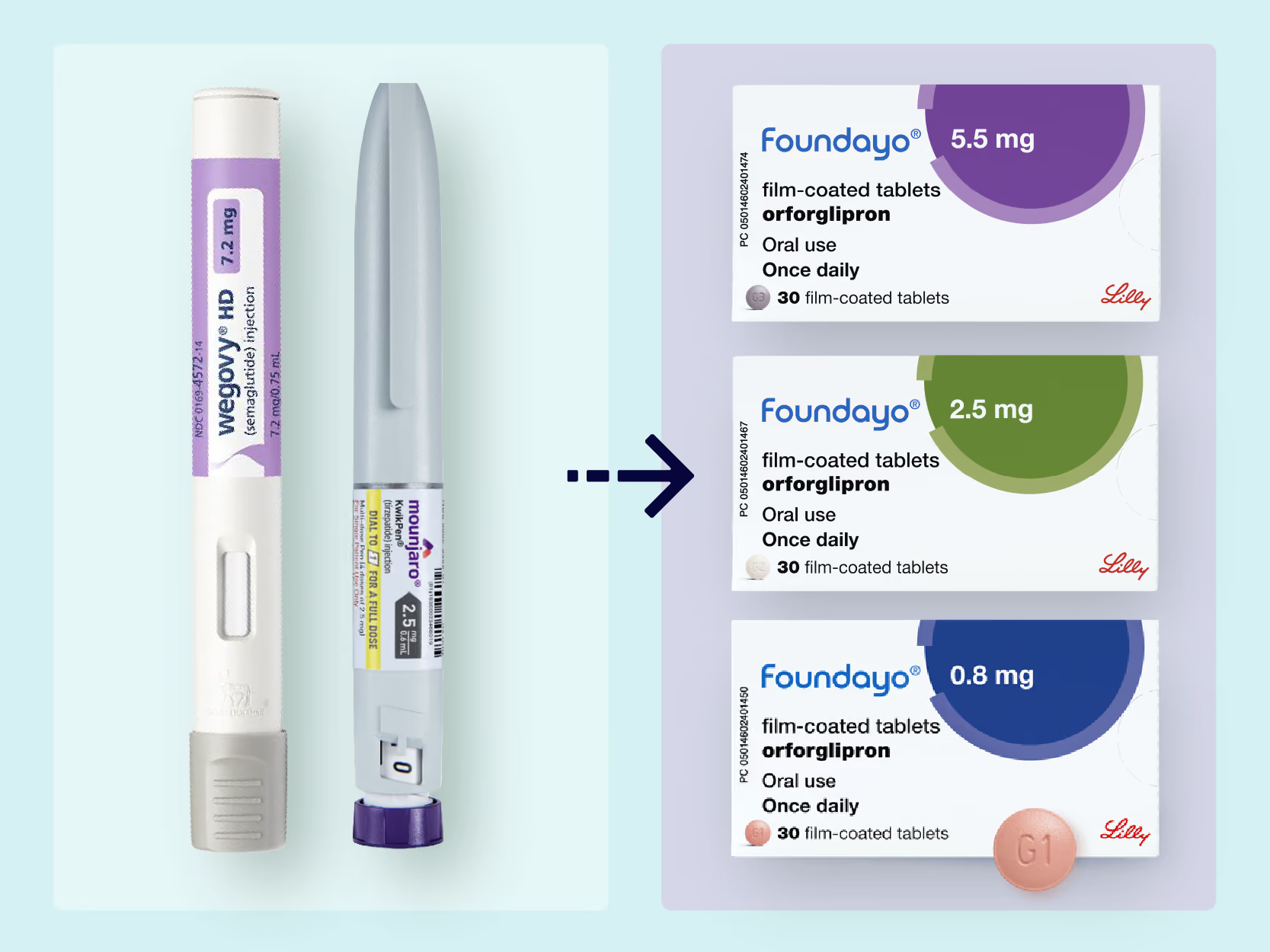
Compared with the Wegovy tablet, both are oral GLP-1 medicines, but the Wegovy tablet is peptide-based and must be taken on an empty stomach with a small sip of plain water, followed by a 30-minute wait before eating, drinking or taking other medicines. Orforglipron does not require those rules and can be taken at any time of day, with or without food. Their dose schedules also differ.
Mounjaro's active ingredient is tirzepatide, which activates both GLP-1 and GIP hormone receptors. Orforglipron activates GLP-1 only. This dual action is generally why Mounjaro has shown greater average weight loss in trials than orforglipron has so far. Orforglipron's trade-off is its format: a daily tablet that removed the need for a weekly injection, which is the feature many patients are watching closely.

If orforglipron is approved in the UK, some patients already using an injectable GLP-1 medicine may consider switching to a tablet for convenience.
These medicines work differently from one another, so any switch needs medical guidance from the team at Phlo Clinic. Switching incorrectly can increase the risk of side effects or reduce how well treatment works.
If you're already on Wegovy or Mounjaro and thinking ahead to an oral option, our guide on GLP-1 washout period covers the general principles that would also apply here. A prescriber-led transition is essential, and should never be self-managed.
UK pricing has not been set, because the medicine is not licensed here yet. Pricing will depend on Eli Lilly's UK list price once approval is granted.
Yes. Orforglipron is the active ingredient; Foundayo is the brand name Eli Lilly uses to market it.
No. Even though it's approved in the US, orforglipron hasn't been approved by the MHRA, so it can't be legally prescribed or supplied in the UK.
Manufacturers don't ship prescription medicines directly to UK patients outside an approved market, and importing it yourself isn't a safe or legal option.
Not automatically. It would first need MHRA approval, then a separate NICE appraisal recommending NHS funding. If recommended, eligibility would likely follow existing GLP-1 criteria (BMI 30+, or 27+ with a weight-related condition).
Mounjaro (tirzepatide) acts on two hormone receptors, GLP-1 and GIP. Orforglipron acts on GLP-1 only but comes as a once-daily tablet rather than a weekly injection. They are different medicines with different formats, and which is appropriate depends on your circumstances and a prescriber's assessment.
The most common are digestive side effects such as nausea, diarrhoea, vomiting and constipation. These tend to be mild to moderate, particularly when starting treatment. The US label also carries a thyroid tumour warning consistent with other GLP-1 medicines, based on animal studies with other medicines in the class.
Expected autumn 2026, and any NHS access likely to follow later.
Wharton S, Aronne LJ, Stefanski A, et al. Orforglipron, an oral small-molecule GLP-1 receptor agonist for obesity treatment. N Engl J Med. 2025;393(19):1796-806. (ATTAIN-1)
Wharton S, Blevins T, Connery L, et al. Daily oral GLP-1 receptor agonist orforglipron for adults with obesity. N Engl J Med. 2023;389:877-888. (Phase 2)
Eli Lilly and Company. FDA approves Lilly's Foundayo™ (orforglipron). Investor news release, April 2026.
UK Parliament, House of Commons Library. Deciding which medicines are used in the NHS.
MHRA / NICE — official guidance on medicines licensing and technology appraisal (gov.uk / nice.org.uk).